How Often Should You Change Oil in a Used Car?
We at Ray Price Ford know how important your vehicle is to you. That's why we want to do everything we can to help you maintain it.
To keep you on the road and on schedule, you need to get regular oil changes in your used vehicle.
In this guide on how often you should change oil in a used car, we'll touch on the most important information that drivers in Mount Pocono, Wilkes-Barre, and Scranton need to know about these oil changes.
Benefits of Regularly Changing Your Oil near Mount Pocono PA
Regular oil changes are one of the simplest and most effective ways to protect your engine and keep your vehicle performing its best. Fresh oil prevents friction, reduces wear, and helps your car run efficiently mile after mile. Here’s what an oil change does for your car:
- Oil plays an important role in keeping your vehicle running smoothly.
- Its main job is to lubricate your vehicle's engine and its many fast-moving parts.
- Additionally, oil helps keep your engine clean.
- Dust, pollen, and dirt can build up and cause problems in the engine.
- Oil whisks these things away while it's lubricating.
By keeping up with routine oil changes, you’re helping your engine stay cleaner, cooler, and better protected—so you can enjoy dependable performance every time you start your car.
Why Do You Need to Change Your Oil?
As you can see, the oil in your used car is integral when it comes to keeping things in sync under the hood. Without oil, the parts in your engine would grind together, which would cause dangerous amounts of friction and potentially long-lasting damage.
You should also change your oil to keep it clean and running smoothly. Substance buildup can cause as much damage as friction if you wait too long for your next oil change.
So, when it comes down to it, you need to change the oil in your used car because it helps other important parts do their job.
How Often to Change Oil?
Now that you have a better understanding of what your oil does, let's talk about how often to change oil.
As a used car owner, you'll be happy to know that the process of changing the oil in your vehicle doesn't really depend on whether it's used or new. It mostly depends on the type of oil your vehicle needs.
There are essentially two different types of oil: conventional oil and synthetic oil.
- If your vehicle uses conventional oil, you should expect to change your oil every 5,000 to 6,000 miles, according to Edmunds.* This will round out to about one oil change every six months.
- As for vehicles that use synthetic oil, you'll be able to wait a little longer. Depending on the brand, synthetic oil typically needs to be changed every 10,000 to 15,000 miles, or approximately once a year.
Also, keep in mind that these oil change timelines can vary, depending on your driving habits and conditions. For example, if you frequently drive in stop-and-go traffic, you may need to have your oil changed more often.
Choosing the Right Oil for Your Vehicle
Finding the right oil for your used car starts with understanding what your engine needs. The owner’s manual is the best place to start—it lists the recommended oil type and viscosity rating. If you’re unsure, a trusted service team can guide you toward the right option for your specific model and driving habits.
Here’s a quick breakdown of the main types of oil available:
- Conventional Oil: A dependable, budget-friendly option that works well for older vehicles or engines with simple lubrication needs. It offers solid protection when changed at regular intervals.
- Synthetic Blend Oil: Combines conventional and synthetic bases to provide better resistance to heat and wear. It’s a great middle ground for drivers seeking enhanced performance without the full cost of synthetic oil.
- Full Synthetic Oil: Engineered for peak performance and maximum protection, this oil resists breakdown under extreme temperatures and delivers smoother operation for newer or high-performance engines.
- High-Mileage Oil: Formulated with special conditioners and additives to help reduce leaks, minimize oil burn-off, and rejuvenate aging seals. It’s ideal for vehicles with over 75,000 miles.
Choosing the right oil helps your used car stay efficient, reliable, and ready for the road ahead.
What Happens During an Oil Change near Mount Pocono PA
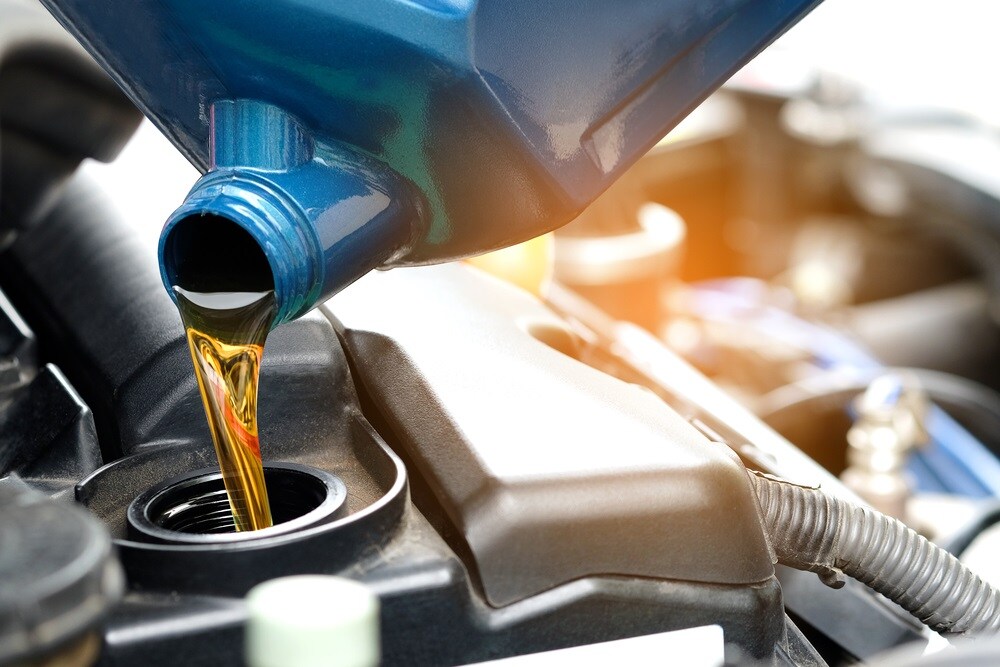
An oil change may seem like a simple service, but it involves careful attention to detail to protect your vehicle’s engine. The process begins with draining the old oil and removing the used oil filter. Once the system is cleared, a new filter is installed to keep debris from circulating through the engine. Fresh oil is then added according to the manufacturer’s specifications, ensuring the correct viscosity and volume.
During the service, technicians inspect essential components, including the air filter, belts, hoses, and fluid levels to identify potential issues early. They also check for leaks or damage around the engine bay. This comprehensive care keeps your used car running smoothly, improves fuel efficiency, and supports the longevity of key components.
Frequently Asked Questions
How often should I check my oil level?
It’s a good idea to check your oil level at least once a month, or before taking long trips. Regular checks help you monitor oil quality and prevent running your engine with low or dirty oil.
Can I switch between conventional and synthetic oil?
Yes, but it’s best to consult your service technician before making the change. Some engines benefit more from synthetic oil due to its longer lifespan and higher resistance to heat.
What happens if I skip an oil change?
Delaying an oil change can lead to sludge buildup, reduced lubrication, and potential engine damage. Regular oil changes protect your vehicle’s performance, efficiency, and overall reliability.
Get Your Used Car's Oil Changed Today!
Our team at Ray Price Ford hopes this guide on "How Often Should You Change Oil in a Used Car?" helped you learn more about the importance of oil changes and when you need to get the oil changed in your used car.
Drivers in Mount Pocono, Wilkes-Barre, and Scranton, Pennsylvania, can count on us for helpful resources like this, as well as personalized customer service.
Still have questions about oil changes, or would like to schedule your next one? Give us a call today and schedule your service!
*Source: Edmunds
How can we help?
* Indicates a required field